Looking for a fresh new activity to help explain cholesterol damage? Check out this practitioner favorite!
Wouldn’t it be great if you had ...
I’m super proud to introduce a brand-new ...
The first official day of fall is ...
Did you know that children eat an ...
Become inspired by our pictures and recipes for breakfast, lunch, dinner, snacks, and desserts.
We’ve gathered everything you need to know about the food and health connection including weight control, nutrition basics, and disease prevention.
Shop smart with our guides to new foods, label reading, grocery shopping, and more!
Here are a few techniques to help kids get engaged in the kitchen including recipes that are kid-friendly and ideas for meal preparation.
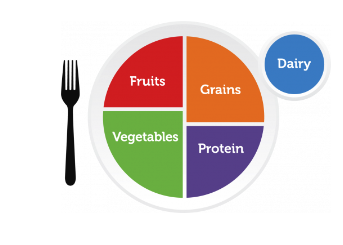
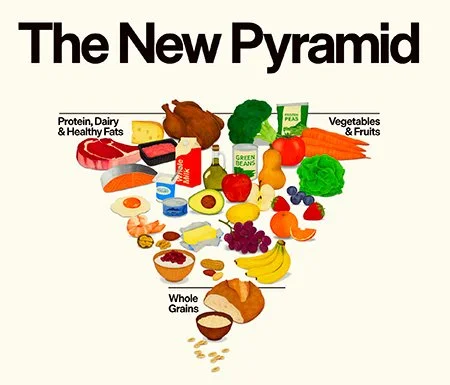
Supporting and promoting the Dietary Guidelines for Americans and the new healthy plate food icon from the USDA.
One of my very favorite activities comes from the 12 Lessons of Diabetes. It’s called Model Cholesterol Damage in Your Hallway, and I liked it so much that I featured it in the October edition of the Communicating Food for Health newsletter. Well, it got so many rave reviews there that I decided I couldn’t possibly deprive you of it for one moment longer.
So, without further ado, here is Model Cholesterol Damage in Your Hallway! Let me know what you think.
Sometimes the best way to help your clients internalize key health lessons is to have them act them out. For this activity, you will need a free doorway in a low-traffic area, with available space on either side of the door. The door to your office or conference room may be perfect. You will also need some balloons, tape, and 4 different colors of bandanas (or another tool that you can use to divide participants into different teams).
Begin by bringing your participants into the hallway and explaining that the group is going to model the flow of blood through an artery. Then divide everyone into four groups.
One group will represent LDL cholesterol. They will carry balloons that they will attach to the edges of the door as they go past. These balloons will represent growing LDL deposits.
A second group will represent HDL cholesterol, which will remove LDL balloons as they go past and help to clear the arteries.
A third group (the largest) will be blood, trying to move through the door.
A fourth group will link arms to represent blood clots and try to move through the doorway in groups,
Begin by having the LDL and blood groups move through the door in waves. Point out the delay prompted by LDL people taking time to stick their balloons to the door and how this action impacts blood flow.
Have a second round of blood, LDL, and HDL move through the doorway, carrying out their tasks, then discuss how the blood flowed this time.
Then, once the door is pretty covered in balloons, discuss the parallels of the door to an artery in a person with high blood cholesterol. Add a few blood clots to the group and have the teams move through the door again. What happens when a blood clot clogs the artery? What would happen to a person if this occurred in his or her body?
Have everyone take down their balloons and return to the classroom for a full activity debrief, answering any questions that they may ask and highlighting the roles of HDL and LDL cholesterol on the flow of blood through the arteries.
By Judy Doherty, PC II
Would you like access to resources like this? You can find more in the Communicating Food for Health newsletter. This newsletter features a monthly nutrition and health research update, activity and presentation ideas, fresh new recipes, and a collection of brand-new handouts. Think of the possibilities!
Of course, this particular activity made its debut in the 12 Lessons for Diabetes program. Check that out too!
And if you’re looking for more cholesterol education materials, look no further! We’ve got you covered!
It’s time to sit back, relax, and look through the 11 best Food and Health blog posts of 2014 …
This handout from the Holiday Challenge is too good not to share. Take a look at these holiday party tips…
You ask, we deliver! After a few requests from health educators, our team has put together a guide to cooking with ratios. Offer it to your clients or put it up in your own kitchen today!
By now you’ve probably heard that the Dietary Guidelines Advisory Committee (DGAC) met recently to discuses the upcoming update for the Dietary Guidelines for Americans. But what does this mean for you, a health educator?
We are honored to announce that Food and Health Communications, Inc. has won a bronze medal in the summer/fall 2014 session of the Web Health Awards.
Salad is the biggest “food group” in our recipe categories – we have 100 salads in our new Celebrate Salad eCookbook. Here are 12 plated salad presentation ideas from a professional chef whose passion is to cook healthy and make a lot of salads.